
The North Dakota Protection & Advocacy Project is committed to protecting and advancing the employment rights of individuals with disabilities. We work to remove barriers that prevent people from obtaining, maintaining, or advancing in competitive, integrated employment. Our advocacy includes helping individuals secure reasonable workplace accommodations, addressing disability-related employment discrimination, supporting transition planning and services for youth moving from school to work, and promoting equal access to employment opportunities.
We assist individuals who are experiencing concerns with employment-related programs and services, including Vocational Rehabilitation, Tribal Vocational Rehabilitation, and Centers for Independent Living through the Client Assistance Program (CAP). Our services may include advocating when services are delayed, denied, reduced, or provided inappropriately, helping individuals understand their rights and responsibilities, assisting with applications and appeals, and working to resolve disputes so individuals can access the supports they need to achieve their employment goals.
Whether you are looking for your first job, returning to work, changing careers, or seeking to maintain employment after acquiring a disability, we are here to help you understand your rights and advocate for equal opportunity in the workplace.
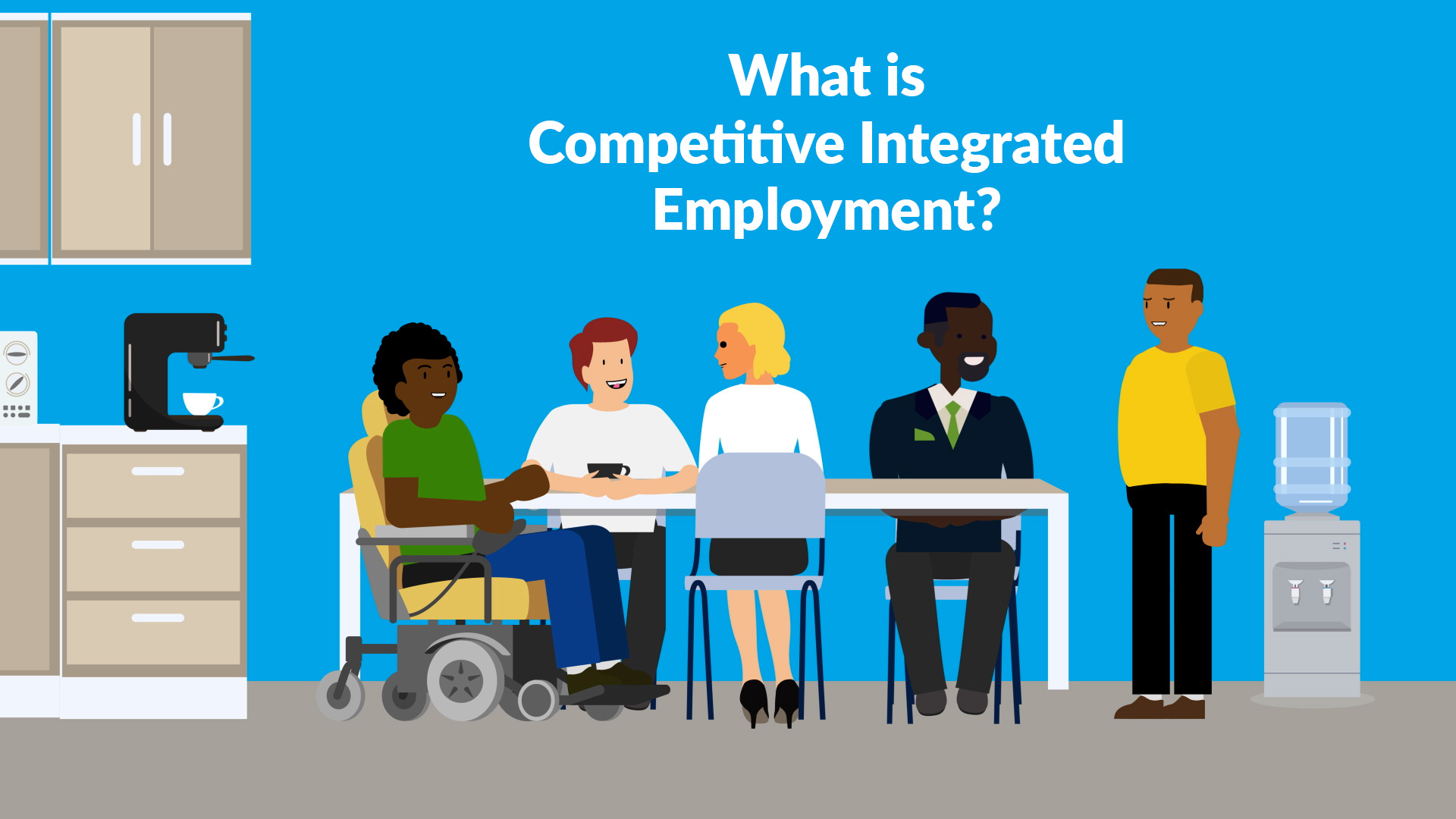
Competitive integrated employment means working in a job where people with disabilities earn wages and benefits comparable to those earned by coworkers without disabilities performing similar work. It also means working alongside people with and without disabilities in a typical workplace, with opportunities for interaction, career advancement, and professional growth. Every person has the right to pursue meaningful employment that matches their interests, strengths, and goals. Competitive integrated employment promotes independence, financial stability, community inclusion, and equal opportunity, ensuring that individuals with disabilities have the same opportunities to succeed in the workforce as everyone else.
Factsheets
Videos
Creating an inclusive workplace benefits everyone. Whether you're hiring your first employee with a disability or strengthening your organization's accessibility practices, these resources can help. Explore information on employer tax incentives, the benefits of employing individuals with disabilities, and guidance from the IRS, the Americans with Disabilities Act (ADA), and the U.S. Department of Justice to support equitable and inclusive employment practices.
Factsheets
Additional Resources:
Individuals with disabilities have the right to equal opportunity in the workplace. Employment discrimination occurs when a person is treated unfairly because of a disability in areas such as hiring, promotions, job assignments, pay, benefits, or termination. The North Dakota Protection & Advocacy Project advocates to address disability-based discrimination and helps individuals understand and exercise their rights under the Americans with Disabilities Act (ADA) and other applicable laws. We provide information and advocacy related to workplace rights, reasonable accommodations, and steps individuals can take when they believe they have experienced discrimination.
Fact Sheets
The intent of Vocational Rehabilitation (VR) is to help individuals with disabilities overcome barriers to accessing, obtaining, maintaining, or returning to employment. VR services are designed to support individuals in reaching their employment goals by providing individualized assistance based on their interests, abilities, and needs. Services may include career counseling, vocational assessments, job training, education and credential support, job placement assistance, workplace accommodations, and other supports that help individuals prepare for and succeed in competitive integrated employment.
Vocational Rehabilitation recognizes that each person’s path to employment is unique. By working with individuals to identify goals, develop plans, and connect with resources, VR helps people with disabilities have greater independence, economic opportunity, and meaningful participation in the workforce.
Factsheets
- Vocational Rehabilitation Factsheet
- Vocational Rehabilitation Service Option Factsheet
- Vocational Rehabilitation Eligibility Factsheet
- Individualized Plan for Employment Factsheet
- Vocational Rehabilitation Financial Need Criteria Factsheet
Videos
A reasonable accommodation is a change or adjustment to a job, work environment, or hiring process that enables a qualified individual with a disability to perform the essential functions of a position or enjoy equal employment opportunities. Accommodations are tailored to an individual's needs and may include modified work schedules, assistive technology, accessible workspaces, job restructuring, interpreters, or adjustments to workplace policies. Under the Americans with Disabilities Act (ADA), employers are generally required to provide reasonable accommodations unless doing so would create an undue hardship. Understanding the accommodation process and communicating openly with an employer can help ensure individuals with disabilities have an equal opportunity to succeed in the workplace.
Factsheets
Videos
.jpg)